Typpi Oy – The Red-Brick Industrial Community in Laanila

In the 1950s, the Finnish state decided to build a nitrogen fertiliser plant in Oulu and invited Alvar Aalto as the designer.

The Typpi Oy commission was extensive and long-term, covering a vast area from the master plan to production, research and residential buildings, down to the smallest details.

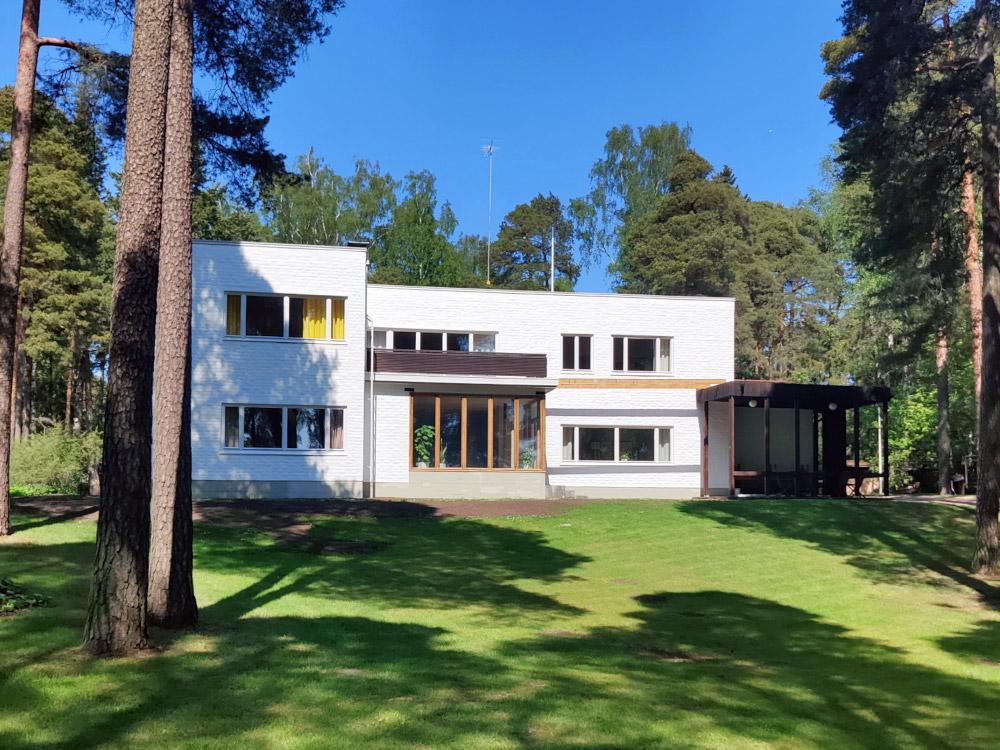
The industrial community is divided into three zones. North of Kuusamontie lie the research and staff facilities and the actual production area, closed to the public. South of the road is a hierarchically organised residential area: closest to the factory are apartment blocks gracefully following the pine-covered ridge, while by the river stand the director’s residence, a sauna and a terrace house for engineers.

The architecture of the buildings, realised during Aalto’s so-called “red-brick period,” is characterised by exposed brickwork, mono-pitch roofs and a unified architectural expression.

Aalto’s office worked on the Typpi Oy complex in four phases from 1950 to 1968, after which other architectural firms continued the design of the plant.

Koskikeskus – Aalto’s Vision for the River Delta

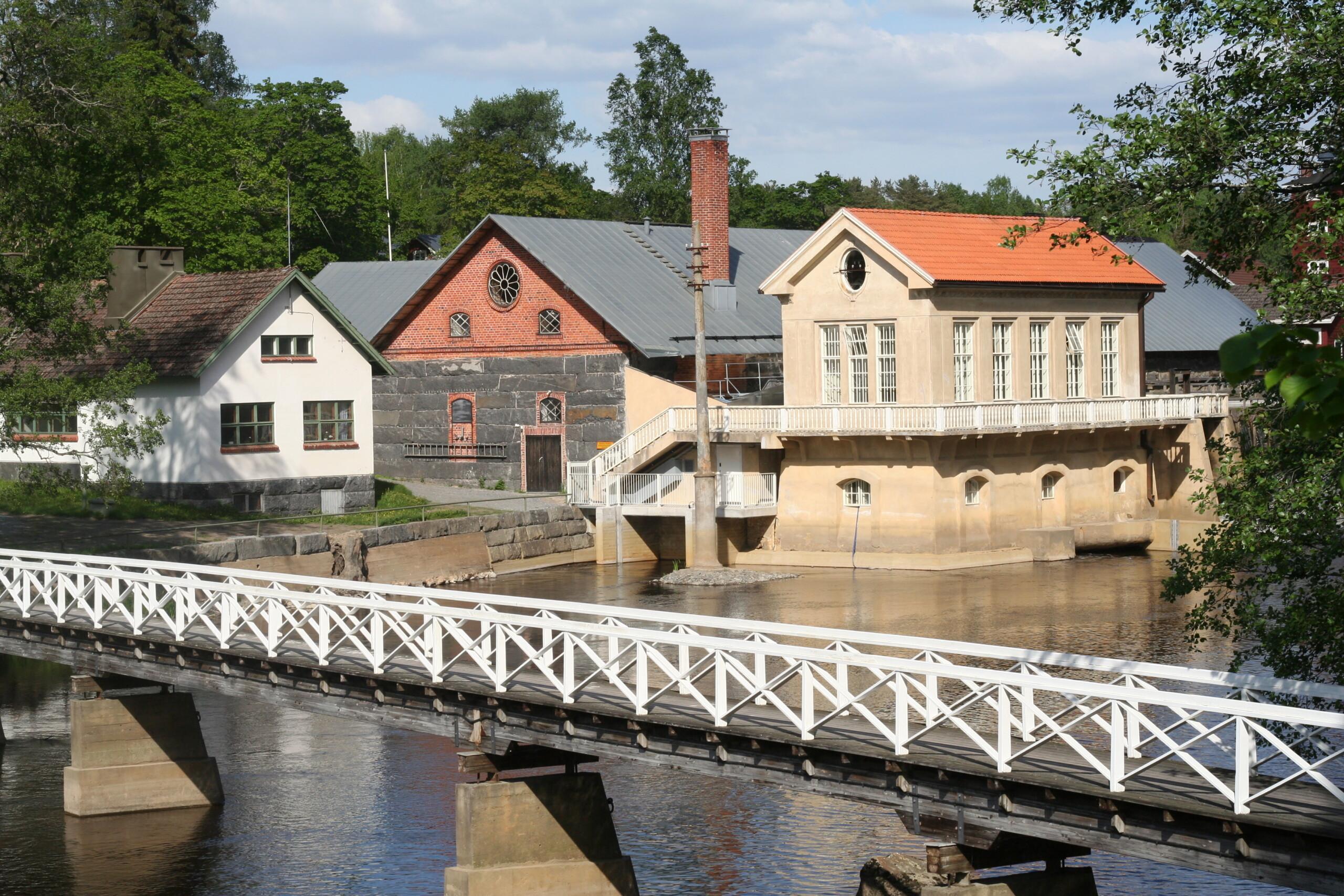
The construction site of the Merikoski hydroelectric plant turned Oulu’s rapids landscape into a stony wasteland in the 1940s. To improve the situation, an invited competition was held in 1942 for the site’s layout and the power station façades. Bertel Strömmer was commissioned to design the façades, while Alvar Aalto was tasked with the overall site arrangement.

Aalto’s proposal was visionary and extended far beyond the brief. He argued that the river delta should be considered as a holistic concept shaping the city’s future and identity. The controlled expansion of Oulu was now at stake, as the hydro plant would significantly influence urban growth and development.

Aalto highlighted the Oulujoki River with its islands and waterways as a rare urban feature that should be emphasised. The lost identity of the “rapids city” was to be replaced with high-quality design and execution.

A civic centre placed on the islands, anchored by a bridge system, would unite the separate districts of central Oulu and Tuira. Thus, two neighbourhoods would merge into a Greater Oulu around Koskikeskus, framed by water surfaces. Fountains rising above the water recalled the former rapids, while park-like recreational areas contrasted with the modern traffic infrastructure of the bridges.

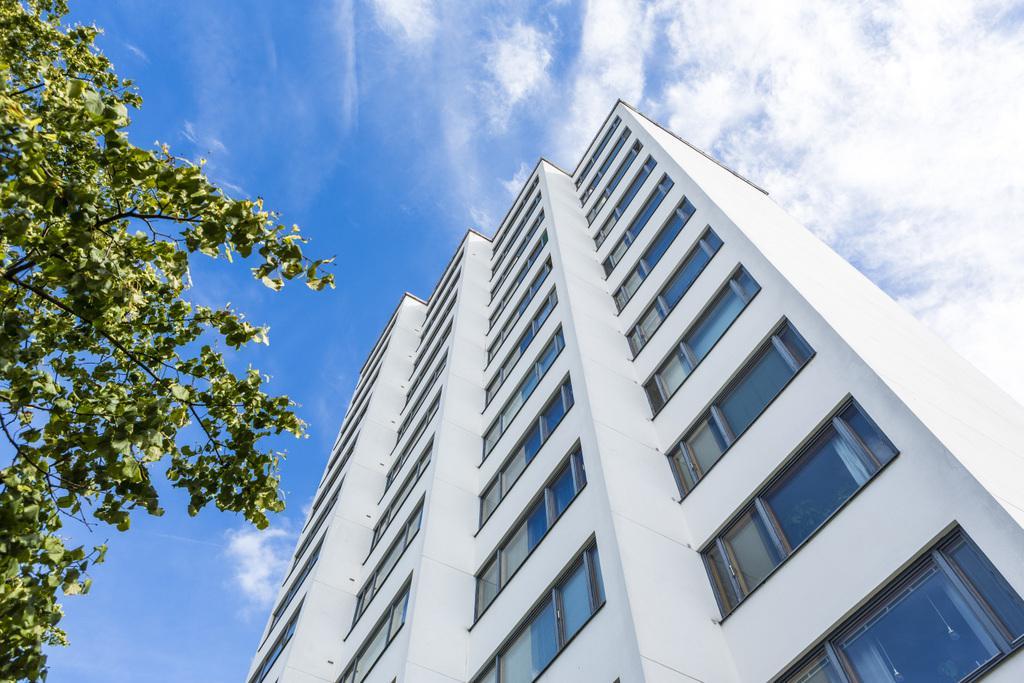
Today, Toivoniemi’s point-block towers, Raatti sports field and Kuusisaari park form the heart of the delta. The area is a popular venue for recreation and events, where parks, water surfaces and bridges create a unique landscape. Koskikeskus was Aalto’s first urban centre plan and remains a key part of Oulu’s identity. Its name derives from Aalto’s competition entry.

Toppila Sulphite Pulp Mill – From Toppila Oy to Meri-Toppila

Designing the architectural identity of the Toppila mill was the first industrial commission for the young Alvar Aalto, recently inspired by modernism and functionalism. The assignment included the architectural form of several buildings, their colour schemes and lighting conditions, as well as necessary details such as doors, windows, railings and staircases.

The factory complex rose in the middle of open fields, consisting of brick and concrete buildings connected by conveyors, punctuated by towers and chimneys. The shaping and structural solutions of the concrete buildings were particularly bold and innovative.

The mill ceased operations in 1985. The area, transferred to city ownership, began to be redeveloped into a residential district, acknowledging Aalto’s and the site’s industrial heritage.

Today, the area known as Meri-Toppila retains several buildings from the 1930s designed by Aalto. Former factory structures have been renovated and repurposed. The long-abandoned chip silo is currently under restoration and development. Street alignments and block colour schemes echo the character of the former industrial site.

Intangible heritage has been honoured by naming streets, squares, parks and blocks after people involved in the factory’s construction and by using terminology from the mill. Meri-Toppila even features an Alvar Aallon katu (Alvar Aalto Street).

Architecture of the Arctic Circle

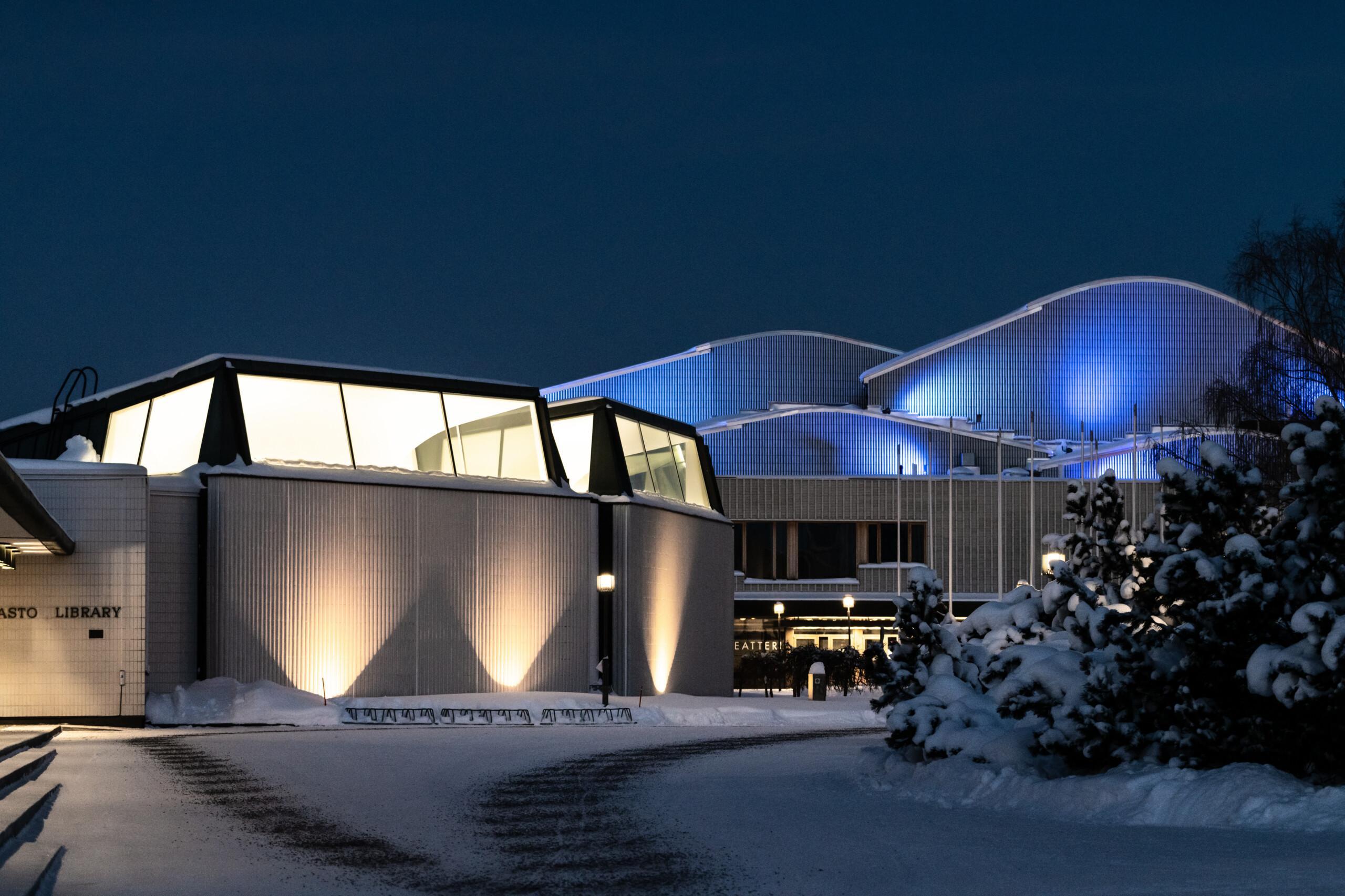
The Rovaniemi City Library, Lappia Hall and City Hall together form Finland’s second major Aalto Centre, alongside Seinäjoki. The buildings open fan-like towards the city centre, framing a spacious, elongated park area. After Alvar Aalto’s death, the work on these buildings was continued by his wife, Elissa Aalto.

Rovaniemi is also famous for its reindeer antler-shaped city plan, which Aalto designed in 1945. The plan reflects both a commitment to nature and a sense of flexibility.

In addition to Aalto’s architecture, a group visit to Rovaniemi would not be complete without experiencing the Arctic Circle, where the atmosphere is especially magical during the Christmas season. The Aalto sites of Rovaniemi can also be easily combined with a Lapland autumn foliage tour or even an extended journey across the border to Norway.

Amidst the Paper Mills

Kymenlaakso has long been a stronghold of Finland’s paper and pulp industry. In Kouvola, Alvar Aalto’s work is especially connected to the Anjala Paper Mill of Oy Tampella Ab and the Inkeroinen Board Mill. For the employees of these mills, Aalto designed the Tehtaanmäki district, with well-known row houses Mäntylä and Honkala, the Tehtaanmäki Primary School, and three apartment buildings. Altogether, the district includes 33 sites designed by Aalto.

From Kouvola, the journey continues to Kotka, home to the Sunila Sulphate Pulp Mill and Residential Area—true Aalto gems. Sunila represents Aalto’s international modernism, showcased at the World Expositions in Paris in 1937 and New York in 1939. Amidst lawns and pine groves you’ll find the factory manager’s residence Kantola, twelve row and apartment buildings, and several service buildings with distinctive architectural details.

The tour can also be complemented with a visit to the Verla Groundwood and Board Mill, a UNESCO World Heritage Site.

Historic Ironworks Atmosphere in Satakunta

The Ahlström Ironworks in Noormarkku, Pori, is one of Finland’s most significant and best-preserved historic industrial sites. Visitors can join cultural tours at the Makkarakoski Sawmill Museum, the Ahlström Voyage exhibition, and the world-famous Villa Mairea. The Voyage exhibition features a rich collection of Finnish design, including works by Tapio Wirkkala and Timo Sarpaneva, as well as several unique versions of the Savoy Vase designed by Alvar Aalto.

The highlight of the area is Villa Mairea, designed by Alvar and Aino Aalto in 1939 as a representative residence for Maire (née Ahlström) and Harry Gullichsen. The building is considered a masterpiece of modern architecture and one of the most iconic works of 20th-century architectural design.

Just next door in the neighbouring town of Eura, visitors will find the unique Kauttua Ironworks, shaped over more than 330 years by the iron and paper industries. Among the Aalto-designed sites in the area, the Terraced House stands out—here, architecture, interior design and art are seamlessly integrated. The interiors feature original Artek furniture and lighting, some of which are available for purchase.

Another gem within the Kauttua Ironworks area is the Riverside Sauna (Jokisauna), originally designed by Aino and Alvar Aalto for the employees of A. Ahlström Oy. Today, visitors can enjoy lunch or coffee in this charming, historic setting.

From Helsinki’s Design Gems to Seinäjoki’s Lakeuden Risti and Jyväskylä’s Aalto Legacy

This Aalto-themed journey begins in Helsinki, where you can explore some of the most iconic destinations connected to the architect. The Finlandia exhibition offers an inspiring introduction to Aalto’s life, ideas and cultural impact, while a visit to Aalto’s Home and Atelier provides a more intimate perspective on his daily environment and creative process. From the capital, the trip continues to the Iittala Glass Village and Glass Museum, an essential stop for understanding Aalto’s contributions to Finnish design and the craftsmanship behind his world-famous glassware.

From there, your journey continues north to Central Finland and Ostrobothnia, where you can embark on a captivating architectural tour of numerous buildings designed by Alvar Aalto.

Arriving in Seinäjoki, you’ll immediately be drawn to the city’s landmark, Lakeuden Risti Church (Cross of the Plains Church), with its striking 65 meter high cruciform bell tower. The church is a true architectural statement, fronted by a spacious piazza that guides visitors toward its bold façade. Other Aalto-designed landmarks in Seinäjoki include the Seinäjoki City Library, the Administrative and Cultural Centre and the Civil Guard House.

From Seinäjoki, the journey continues to Alajärvi, where you can explore the ’Aalto Centre’ which consists of a rich ensemble of Aalto’s work: the municipal offices, the parish centre, the youth association house, the municipal hospital, a residence called Väinölä that Aalto designed for his brother, and the Alajärvi Library, completed by his office. In total, there are 11 Aalto sites in Alajärvi, and highlights include the famous Nelimarkka Museum and the Aalto family gravesite.

Finally, you’ll arrive in Jyväskylä, where you’ll find not only the Aalto2 Museum Centre, which includes the Alvar Aalto Museum and the Museum of Central Finland, but also the AaltoAlvari Swimming Pool, a unique facility designed by Aalto. Across the city and its surrounding areas, there are as many as 30 Aalto-designed sites, including notable landmarks such as Muurame Church and Säynätsalo Town Hall. Jyväskylä holds special significance in Aalto’s life because it is where he studied, started his family and launched his architectural career.

Two Aalto Gems: Paimio Sanatorium and the Aalto House & Studio Aalto

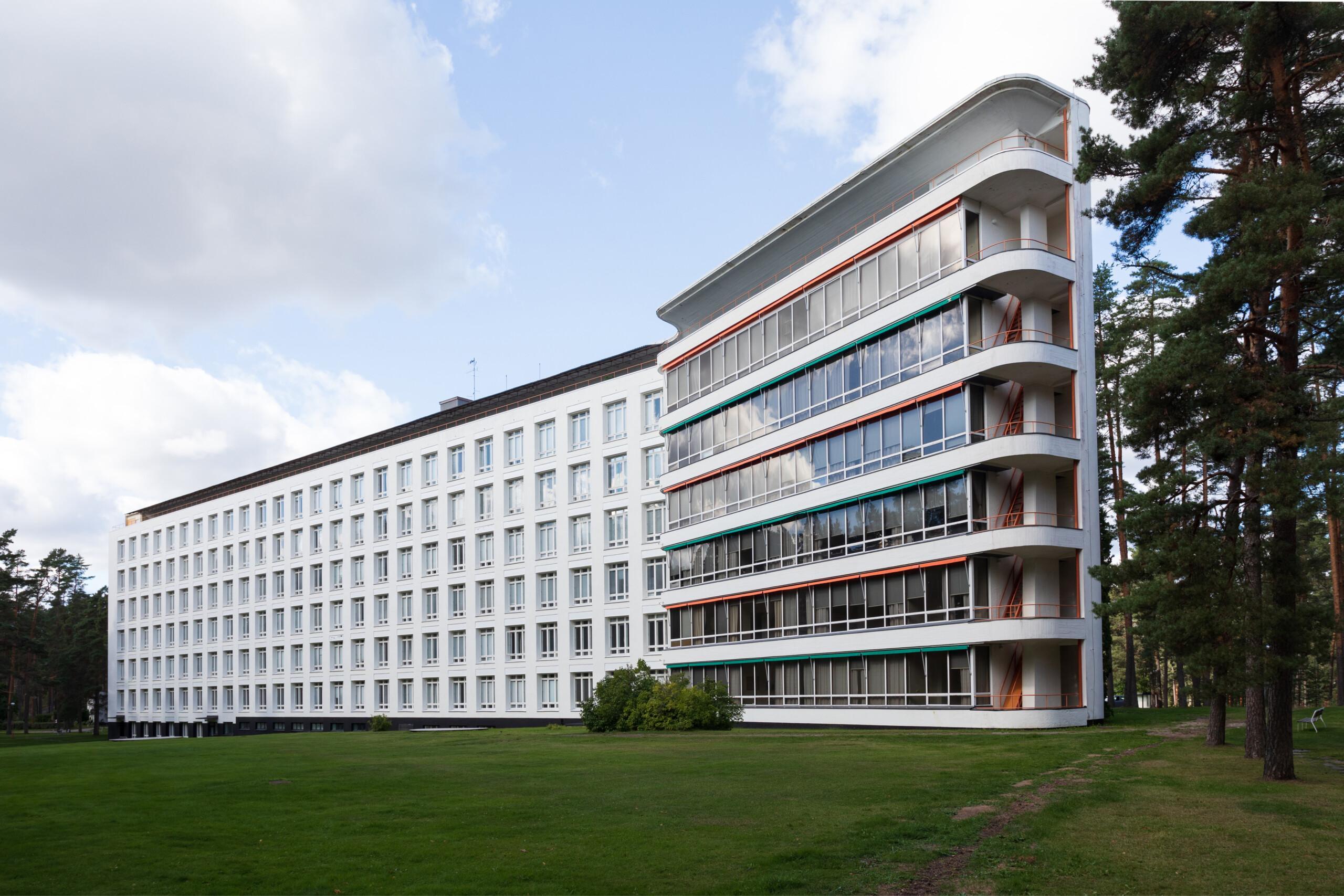
Paimio Sanatorium, designed by Alvar and Aino Aalto and completed in 1933, was originally built as a tuberculosis hospital and became one of the most revolutionary buildings of its time. It was also a turning point in the Aaltos’ international career, propelling them onto the world stage. The building introduced many innovations in design: bold concrete structures, advanced building technology, and a striking use of colour. Today, Paimio Sanatorium is considered one of Finland’s most internationally recognised buildings and a vibrant cultural heritage site open to visitors.

A group tour to Paimio can be ideally combined with a visit to Alvar Aalto’s home in the Munkkiniemi district of Helsinki. Completed in 1936, the house served as the Aaltos’ family home, where Alvar Aalto lived until his death in 1976. A short distance away is the Aalto Studio, completed in 1955 as a new working space to meet the demands of a growing architectural practice. The studio is a key example of Aalto’s 1950s architecture and offers a glimpse into the creative atmosphere of his later work.

In Helsinki, groups can also explore other Aalto-designed landmarks such as Finlandia Hall, the House of Culture, and the Helsinki Energy Office Building (Sähkötalo).

For those interested, the programme can be enriched with additional cultural experiences such as an evening at the theatre or opera in Helsinki. Optional excursions can also include a visit to the charming riverside town of Porvoo or to the beautifully situated Villa Kokkonen in Tuusula — another architectural treasure.

Finlandia Exhibition: A New Experiential Journey into Aalto’s Creativity and Finnishness

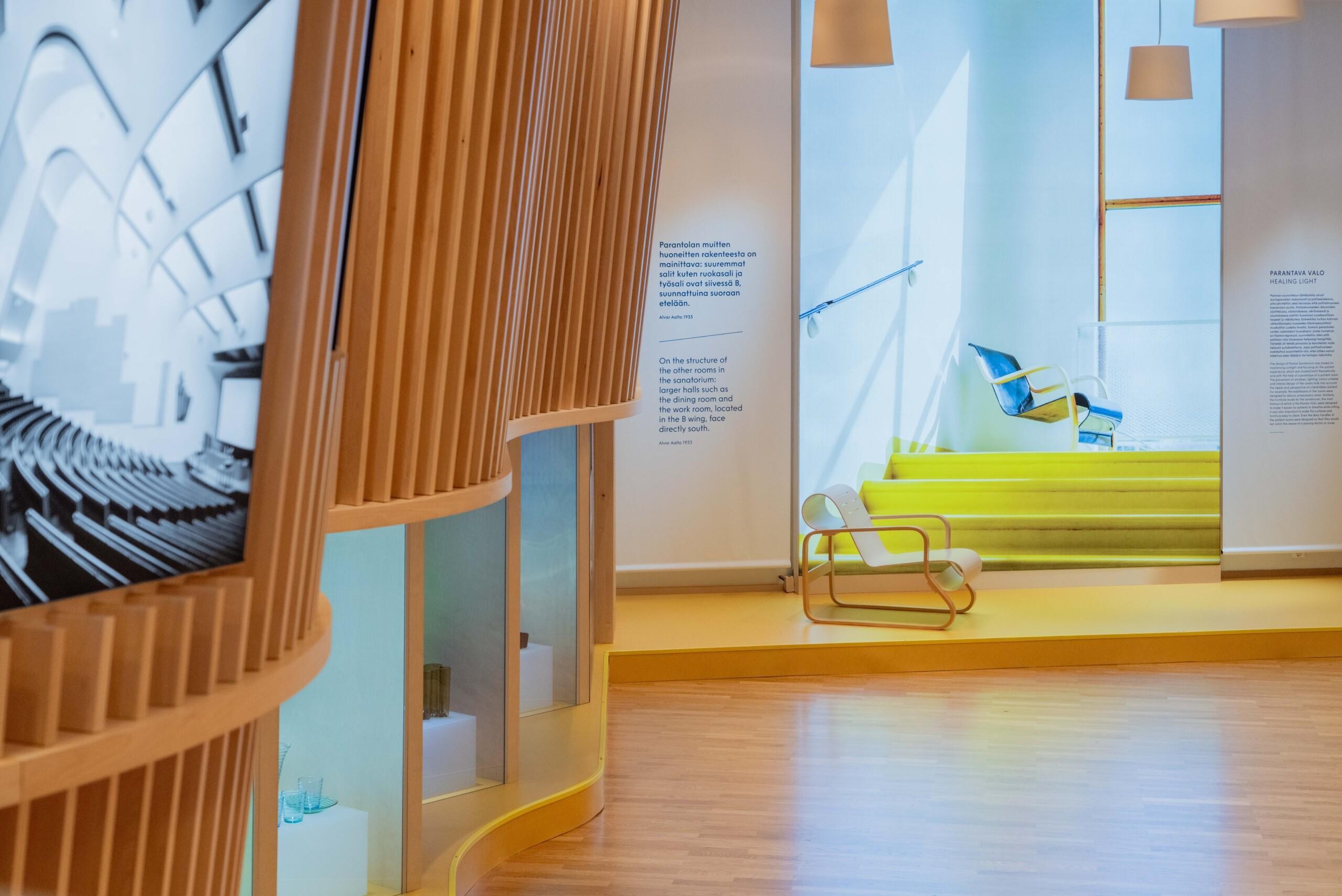
Finlandia Hall’s permanent exhibition takes visitors on an inspiring journey to the sources of creativity of Alvar, Aino, and Elissa Aalto, as well as to the essence of Finnishness. The narrative-driven exhibition tells an unprecedented story about creativity, Finnish identity, and humanity through the lives and works of the Aaltos, significant events in Finnish history, and the relationship with Finnish nature and forests. The overall experience will provide new perspectives on the Aaltos’ achievements and their impact on Finnish architecture, design, and international networks.

The Finlandia Exhibition brings the Aalto legacy to life as a multi-sensory experience, where light, nature, purpose, and human relationships come together. Spaces that previously served as rehearsal rooms for symphony orchestras now invite you to experience their harmony. Sit down to admire and immerse yourself in the stories that intertwine with the creation of the Finlandia Hall and the building of Finnish identity along the way. The exhibition invites you to sense, linger, and participate.

Get inspired in Seinäjoki and Alajärvi

Grasp the essence of Alvar Aalto’s architectural philosophy in Seinäjoki and Alajärvi.

Here, Aalto’s Civic Centre stands as a symphony of modernist style, where architectural melodies play in perfect harmony with the rhythm of community life. Discover buildings that transcend aesthetics, shaping the very spirit of public spaces. From the embracing arms of the town hall to the spiritual sanctum of the church, each structure pays homage to Aalto’s belief in architecture as a transformative force, reshaping our collective experience of community in space.

Tour in brief: In a day and a half, this tour explores Seinäjoki’s Aalto Centre, an architectural ensemble that’s within easy reach from the train station. Engage in a guided tour that inspires with its beauty and historical significance, creating a unique blend of cultural experience and modern architectural wonder.

Bike Journey to Alvar Aalto in Jyväskylä

Duration: 2 hours
Length: 6,8 km

In total, there are nearly 30 buildings designed by Alvar Aalto in the Jyväskylä region – ranging from his earliest work to designs made during his final stages. These include both private properties and public buildings, such as the Jyväskylä City Theatre, the University campus and AaltoAlvari Aquatic Centre. Alvar Aalto bicycle tour lets you see the center of Jyväskylä, while showing off the architecture of Alvar Aalto in different city districts.

Currently, Jyväskylä is known as a city of sports, and the region offers varied bicycle and hiking trails for people of all skill levels. What better way to see the works of the renowned architect than a bicycle tour? The beautiful lake landscape colors the hilly terrain, and the region offers a number of bicycle and hiking trails popular among the locals.

Our Alvar Aalto bicycle tour lets you see the center of Jyväskylä, while showing off the architecture of Alvar Aalto in different city districts. The bicycle tour starts at the Aalto2 -museum center (number 1 on the map), continuing to the center of Jyväskylä and towards the lake landscapes of Taulumäki and Viitaniemi. The tour then returns to the city center, visiting the University of Jyväskylä, one of the most architecturally interesting campus areas in Finland.

Route description

  1. Aalto2 Museum Centre
    Alvar Aallon katu 7, 40600 Jyväskylä
  2. Casa Laurén 1925–1928
    Vapaudenkatu 12, 40100 Jyväskylä
  3. Jyväskylä Administrative and Cultural centre 1964–1982
    Vapaudenkatu-Kilpisenkatu-Hannikaisenkatu-Gummeruksenkatu, 40100 Jyväskylä
  4. Defence Corps Building 1926–1929
    Kilpisenkatu 8, 40100 Jyväskylä
  5. Nikolainkulma
    Vapaudenkatu 53, 40100 Jyväskylä
  6. Workers’ Club 1924–1925
    Väinönkatu 7, 40100 Jyväskylä (At the intersection of Väinönkatu and Kauppakatu)
  7. Renovation of Nuora House 1923–1924
    Hongikontie 9, 40200 Jyväskylä
  8. Viitatorni 1957–1962
    Viitaniementie 16, 40720 Jyväskylä
  9. Aira House 1924–1926
    Tapionkatu 2, 40100 Jyväskylä
  10. Jyväskylä University Seminaarinmäki Campus 1951–1971
    Seminaarinkatu 15, 40100 Jyväskylä
  11. Villa Karpio 1923
    Lehtisenkuja 1, 40600 Jyväskylä

Route on Google Maps

Alvar Aalto Route: Curated Journeys Through Timeless Architecture

This catalogue presents a curated selection of destinations where architecture is part of everyday life, work, celebration, and travel. The Route takes you to buildings both large and small, connected to experiences of living, learning, civic life, industry, and care. Many places also invite a longer stay. You can spend the night, go to sauna, enjoy a meal, or simply take your time.

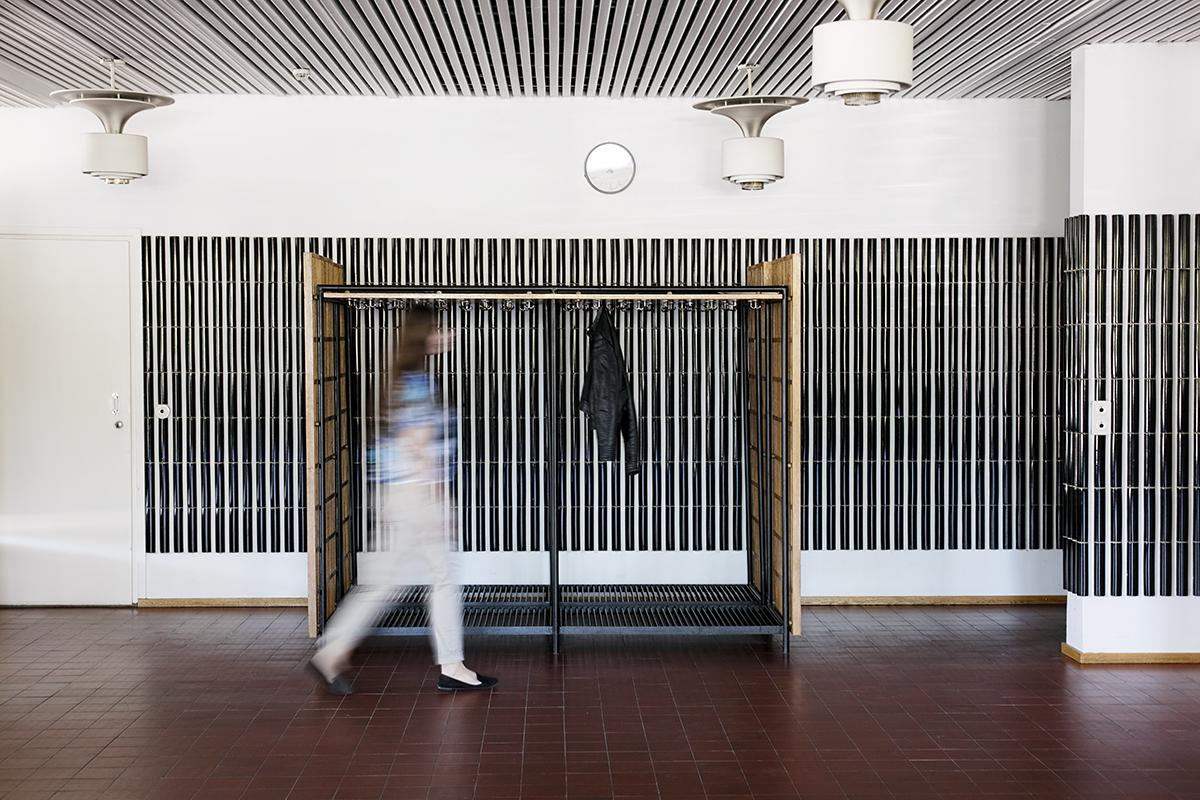
In Alvar Aalto’s buildings, the human scale is present in details: a handrail, a doorway, a staircase, the direction of light, or a view from a window. In many destinations, the work of Aino and Elissa Aalto is also part of the story. The practice continued over decades and reached from homes to churches, universities, factories, and cultural venues.

Alvar Aalto Route is a Cultural Route of the Council of Europe. Through the Route, Aalto’s thinking is connected to European cultural heritage. Destinations are located across Finland, and also in France, Italy, and Germany. The Route keeps evolving with its member sites, local partners, and travel professionals.

This publication helps you see the full picture and find a way of travelling that suits you. The destinations are meant to be experienced without hurry. Many of them are still in active use. People work, study, meet, rest, and return.

Download the catalogue: 
Alvar Aalto Route